Early Foal Foot Care and Growth Plate Development: :
Supporting Soundness from the Start.
Foal care is one of the most important aspects of equine welfare. The decisions made during these early stages of development can have a significant and lasting impact on a horse’s future soundness, performance and overall wellbeing.
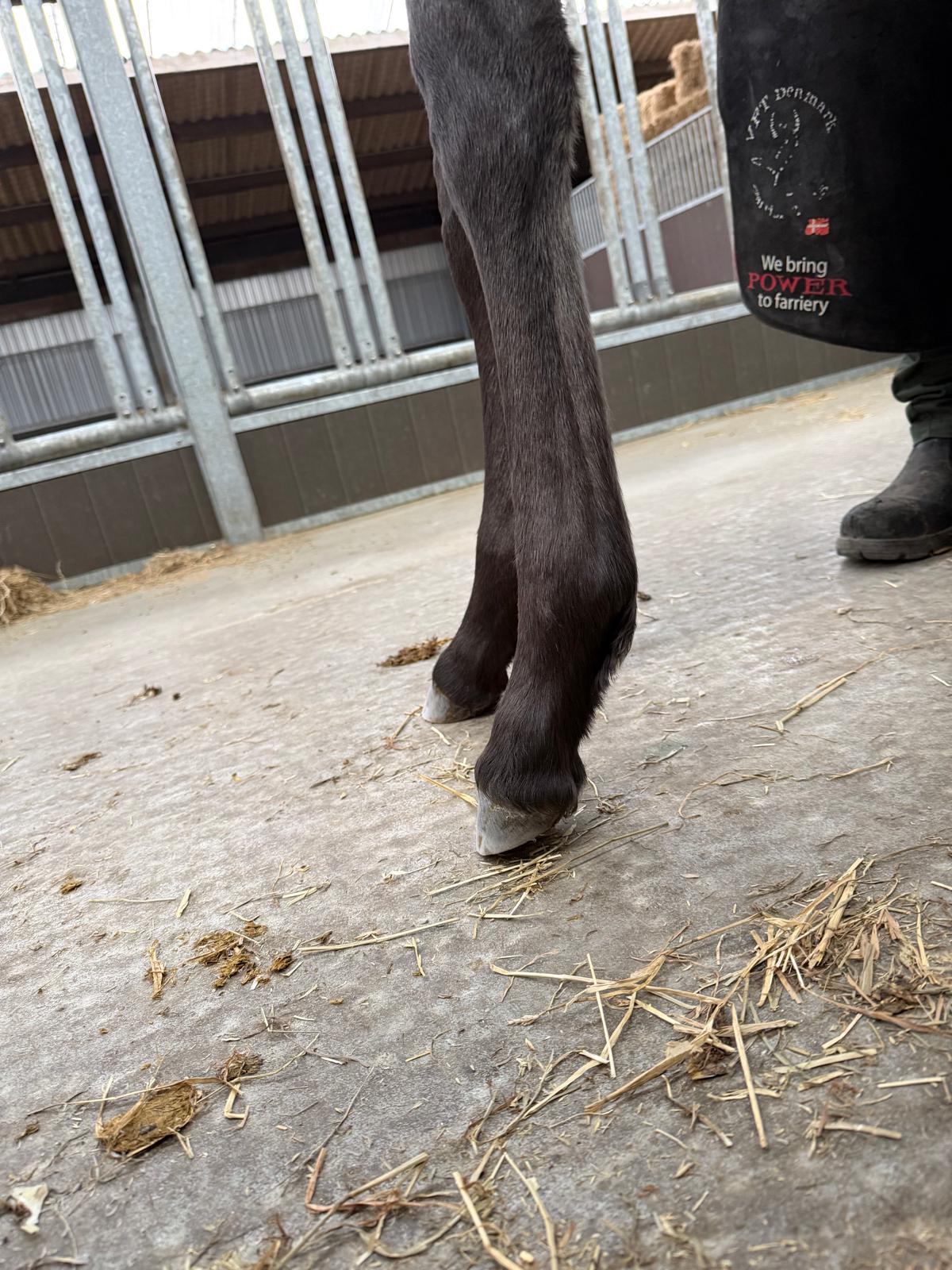
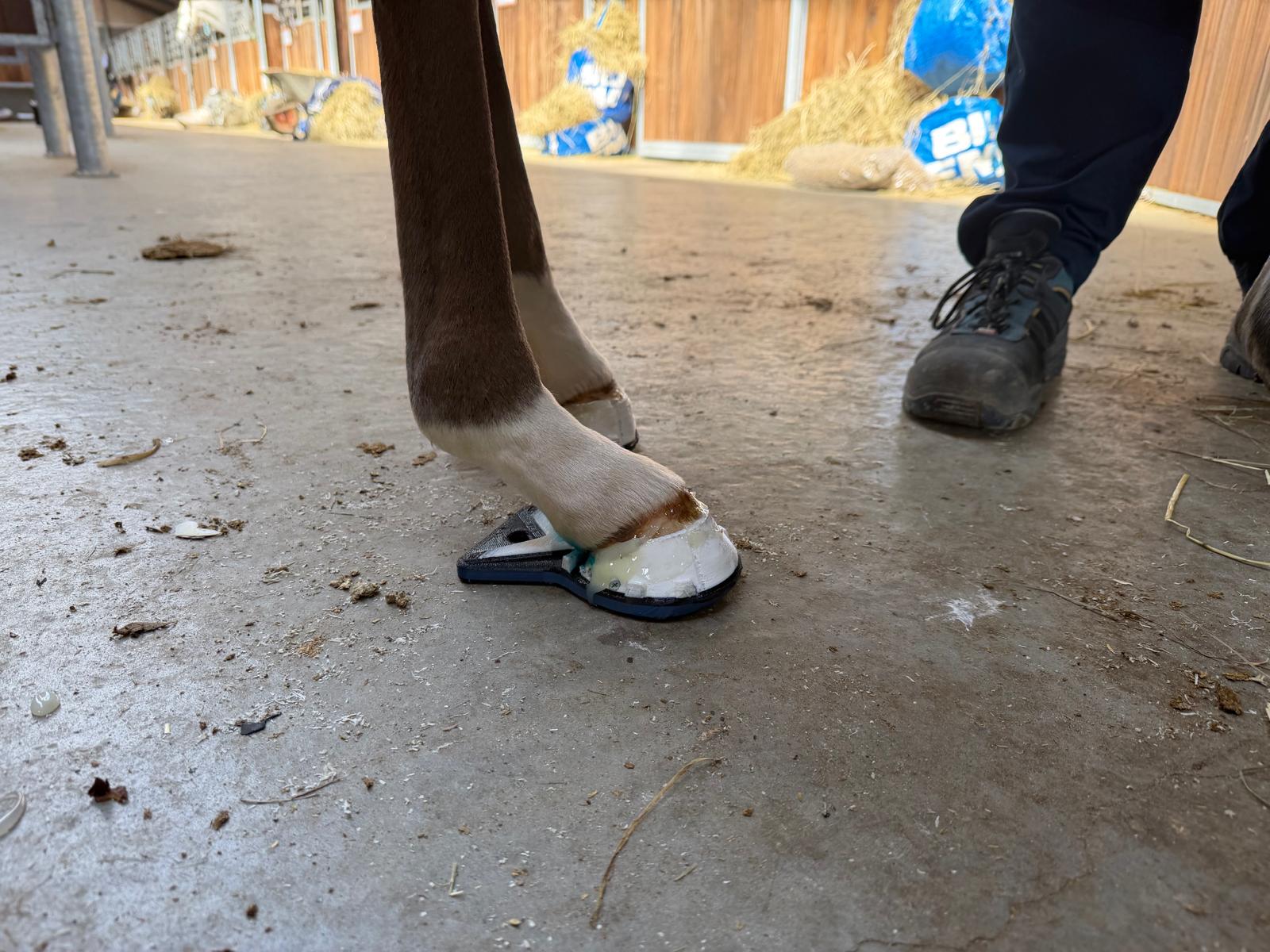
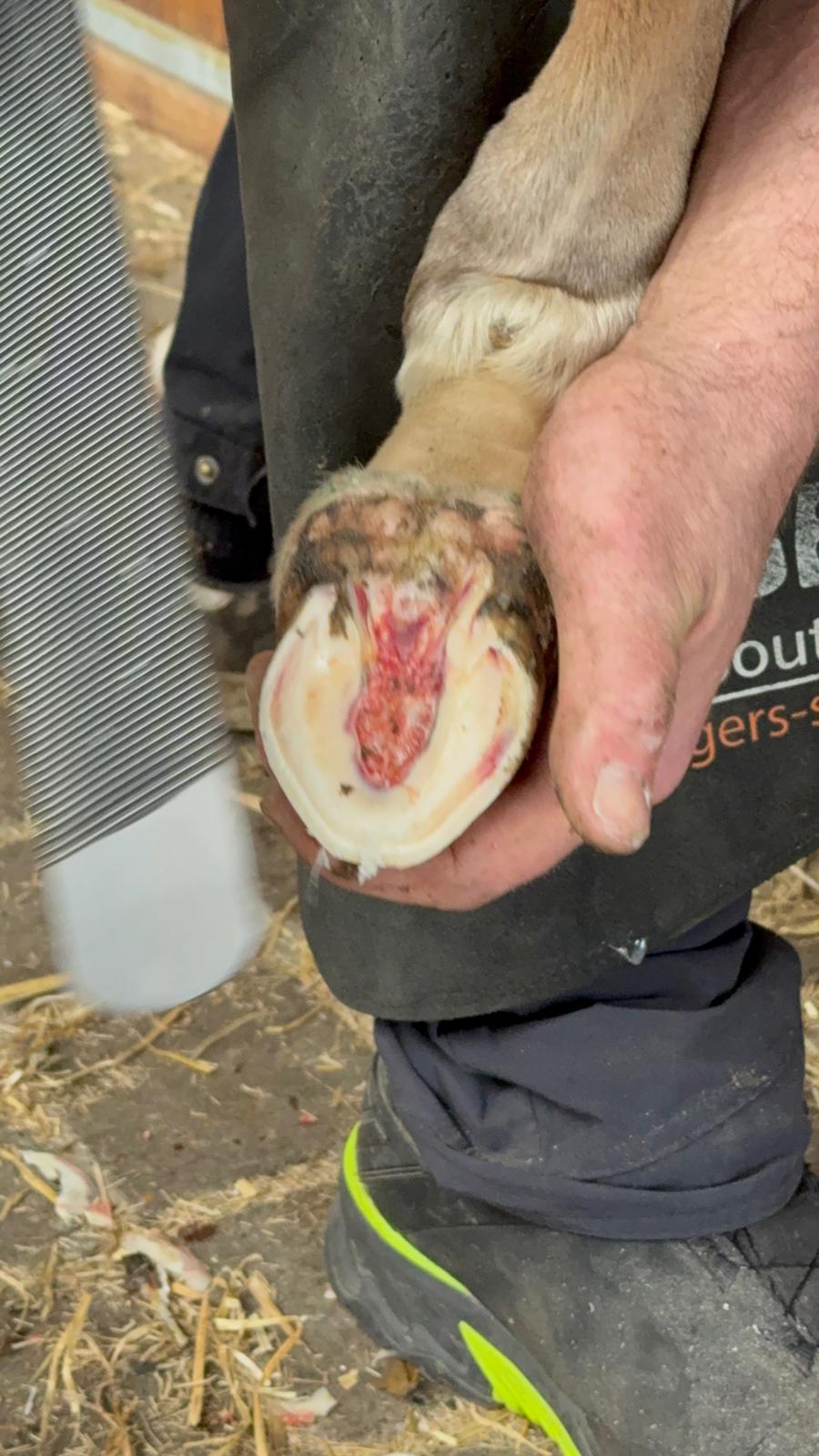
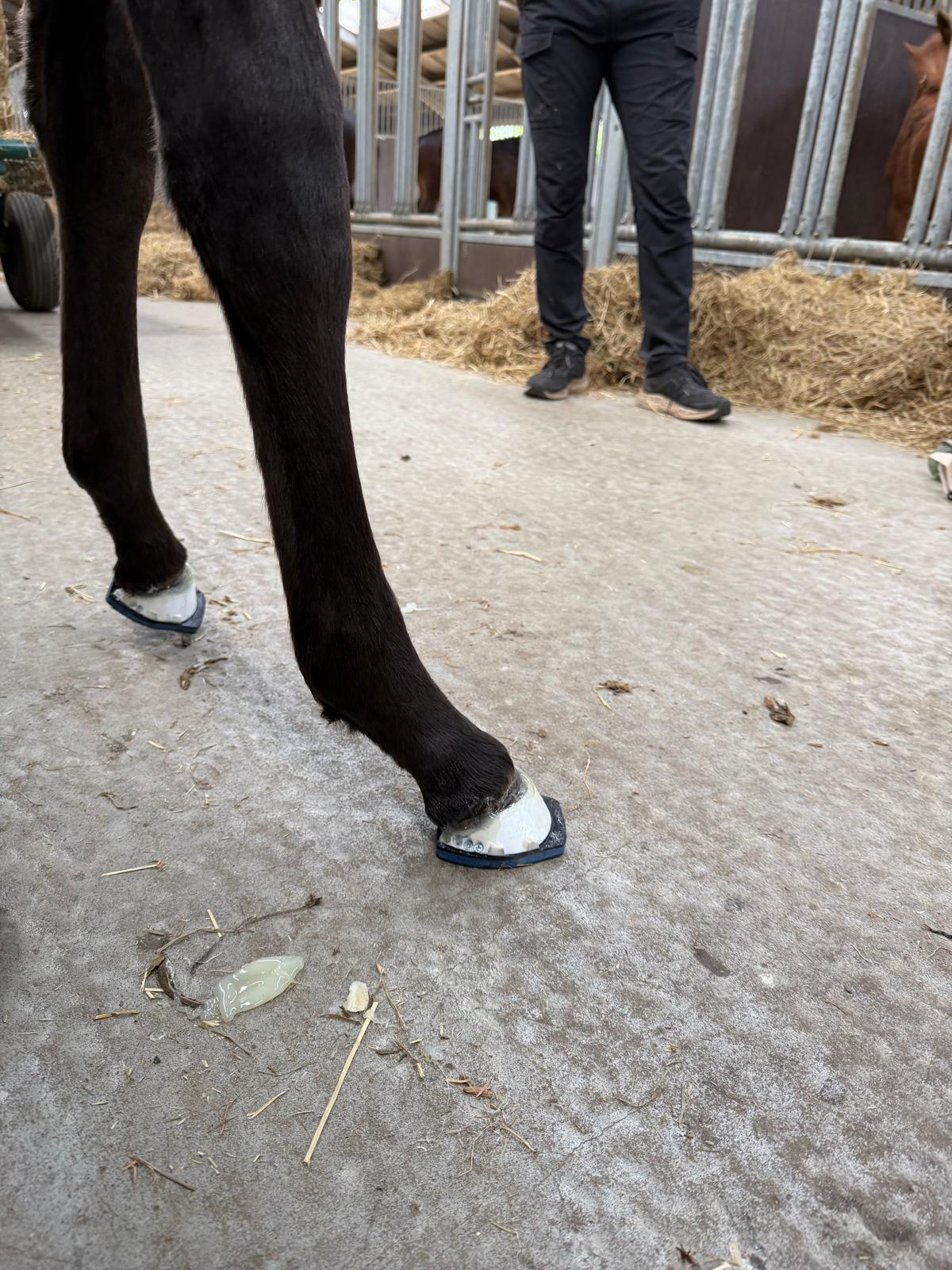
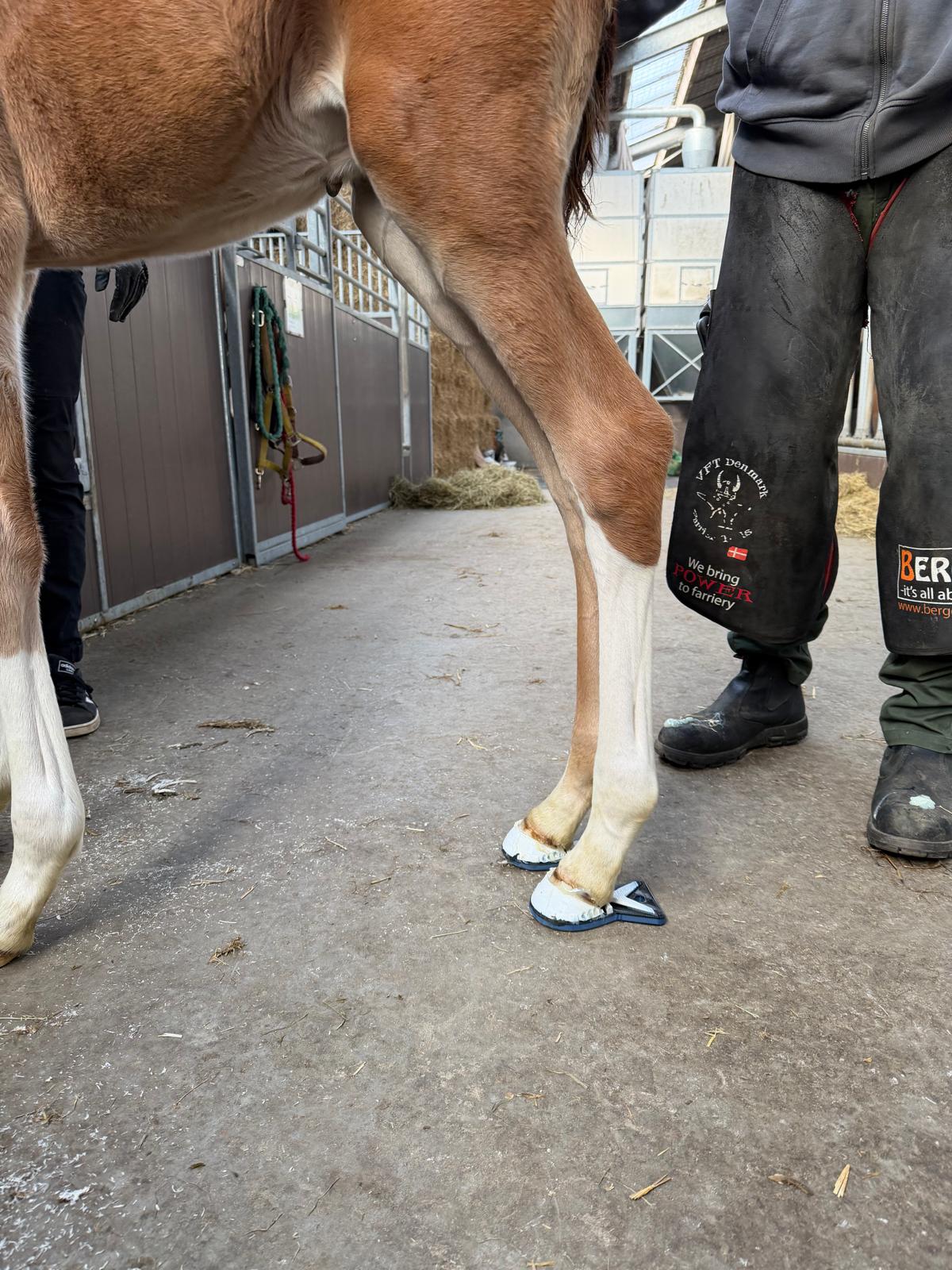
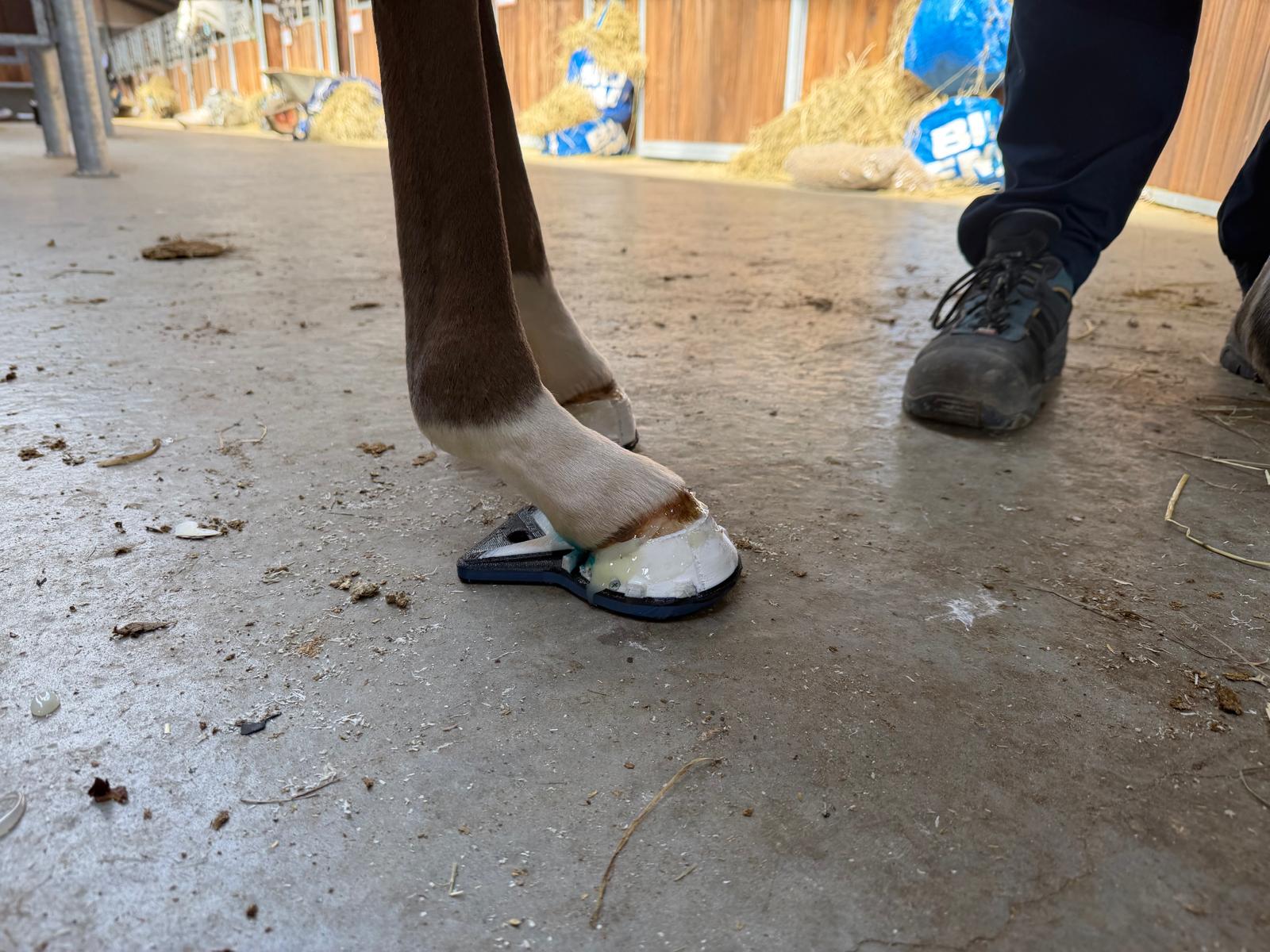
Breeders, owners and trainers should recognise that foot care for foals can begin as early as three days post-partum. Early assessment helps ensure that congenital or developmental defects are identified promptly, allowing appropriate corrective treatment to be started at the most effective stage.
Normal Foal Stance vs Angular Limb Deformity.
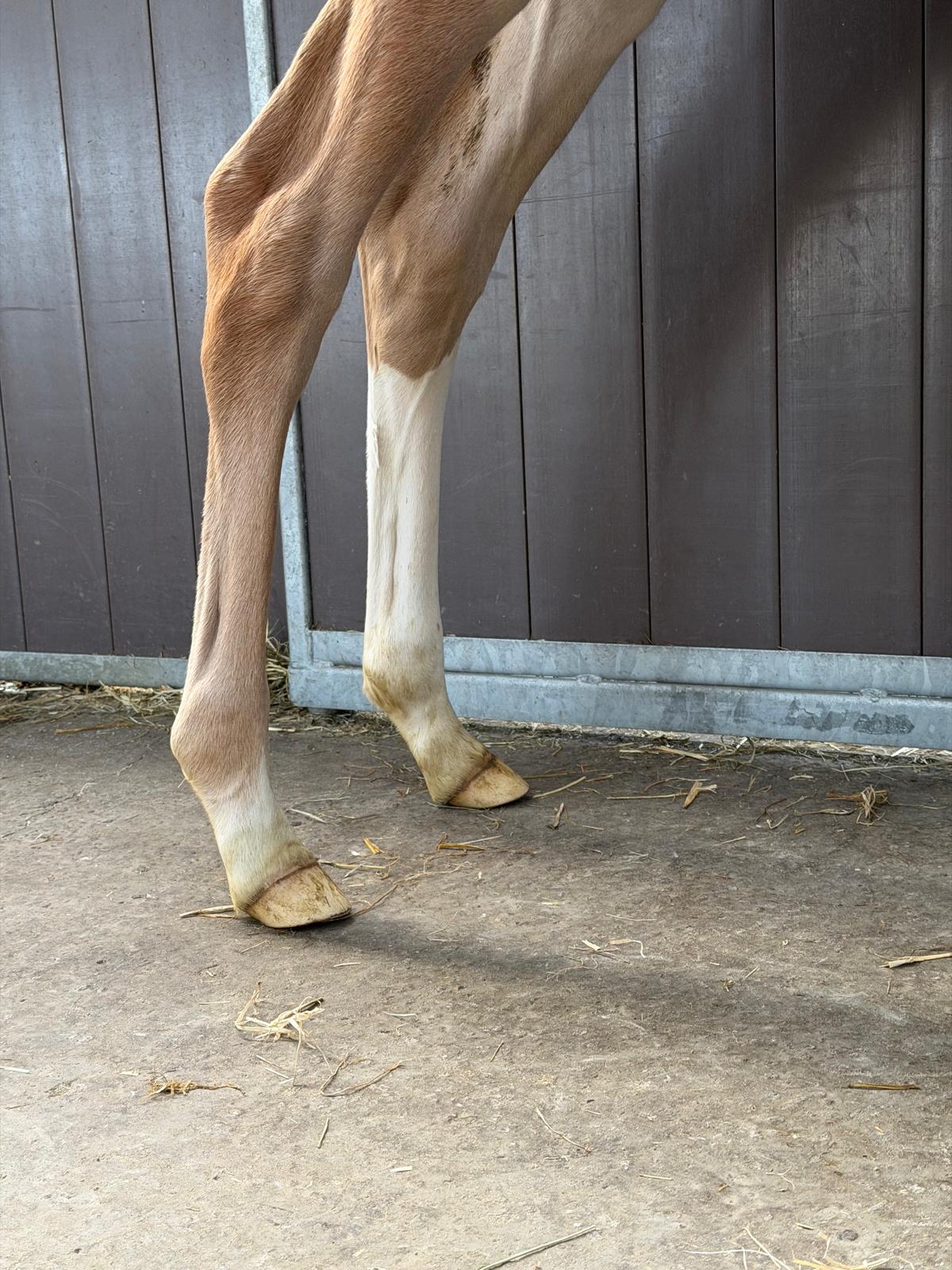
It is important to distinguish a normal newborn foal posture from a true angular limb deformity. Many foals initially stand slightly base-wide, creating a natural “A-frame” appearance as they find their balance and their soft tissues strengthen. This stance should be relatively symmetrical, improve with movement and maturation, and not show a clear break in the limb axis. By contrast, an angular limb deformity involves a persistent inward or outward deviation at a specific joint, such as the carpus, fetlock or hock, often producing visible varus or valgus alignment. Assessment should therefore be made from the front, behind and while the foal walks in a straight line on a firm, level surface, with prompt veterinary input if the deviation is marked, asymmetric, worsening or not improving within the early neonatal period.
Flexor Laxity and Early Hoof Development.
In some cases, mild flexor laxity is allowed time to self-correct, and many foals do improve without major intervention. However, prolonged abnormal loading can damage the hoof capsule and the soft tissue structures at the back of the foot. Over time, this may contribute to problems such as low heels, an underdeveloped digital cushion and negative palmar or plantar angles of P3.
Growth Plate Closure Times in Foals and Young Horses.
Growth plate closure is another important consideration when assessing foals and planning early farriery, exercise and corrective care. Closure generally progresses from the hoof upwards: the lower limb matures first, while the upper limb, pelvis and spine continue developing for much longer. The timings below are approximate and may vary according to breed, size, nutrition, health and management. Any suspected angular limb deformity, Physitis or abnormal loading should therefore be assessed promptly by a veterinary surgeon and farrier working together.
|
Region/bone |
Growth plate |
Approximate closing time |
|
Coffin bone |
Main growth plate |
Before birth |
|
Short pastern bone |
Proximal |
9–12 months |
|
Long pastern bone |
Proximal |
13–15 months |
|
Cannon bone |
Distal, above the fetlock |
Approximately 4–6 months to 16–20 months, depending on the specific site and reference source |
|
Humerus |
Distal |
15–18 months |
Radius and ulna |
Proximal |
18–24 months |
Radius and ulna |
Distal, above the knee |
Approximately 2–3.5 years |
|
Tibia |
Distal, above the hock |
18–24 months |
|
Tibia |
Proximal |
3–3.5 years |
|
Femur |
Proximal/distal regions |
2.5–3.5 years |
|
Pelvis |
Hip socket and pelvic tubers |
1.5–4.5 years |
|
Spine |
Vertebral growth plates |
3–5 years or more; often among the last areas to mature |
Ultimately, careful observation in the first days and weeks of life is one of the most valuable tools in supporting a foal’s future soundness. Not every variation in stance or limb development requires immediate intervention, but recognising what is normal, what is changing and what is cause for concern allows decisions to be made at the right time. With early assessment, appropriate farriery, veterinary guidance and sensible management, many developmental issues can be improved before they become long-term problems, giving the young horse the best possible foundation for a sound and athletic future.